
I bet "learn Dutch" is on your list somewhere between "update website" and "call the boekhouder". A task. Something you should do for your business.
I'd like to move it to another list. The one with sleep, sport and a free weekend. Because for a lot of the freelancers I coach, Dutch turned out to be less about clients and more about themselves.
The quiet tiredness
Running a business in another country means translating all day. The letter from the gemeente. The joke you didn't get. The meeting where everyone switched to English for you, again.
None of it is dramatic. It adds up. Maybe you know the feeling: you're good at your job, and still you feel a bit smaller here than at home.
What changes when you start speaking
You stop being the exception. The first time a meeting simply continues in Dutch and you follow, something relaxes.
You get small wins. A whole phone call. An email without a translation tool. These are wins nobody can take away, on days when clients are slow and invoices are late.
You hear more. The tone in "We zullen zien". The warmth in "Dat komt in orde". You understand the people around you, not only their words.
You belong a little more. At the school gate, at the bakery, at the networking event. Not perfectly. Enough.
It doesn't have to be another project
You already have enough projects. So keep it small:
- Ten minutes a day, out loud.
- Three sentences a week that you really use.
- One person who listens and corrects you kindly.
Try this one today: "Ik leer Nederlands. Mag ik het in het Nederlands proberen?"
Most Flemish people will slow down, smile and help. That moment is the whole point.
You're allowed to do this for you
Yes, Dutch is good for business. But you don't need a business case for feeling at home.
Want an easy place to start? Book a free intro call. No preparation needed.
Tot binnenkort!
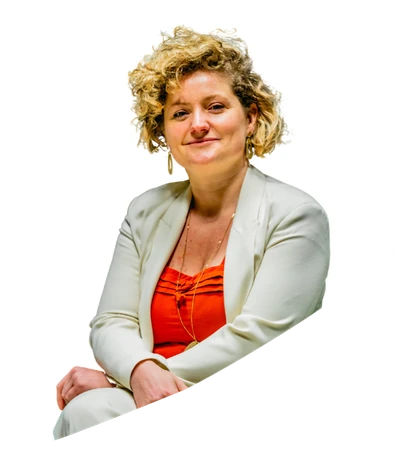
Marieken Dewitte · Dutch language coach, The Dutch Club